How Waterside Farm is Changing for the Better
Our work to transform Waterside Farm into a thriving hub of biodiversity continues to take shape. Huge progress has been made since the launch of the project in December 2024, which we shared with the community in a recent live update.
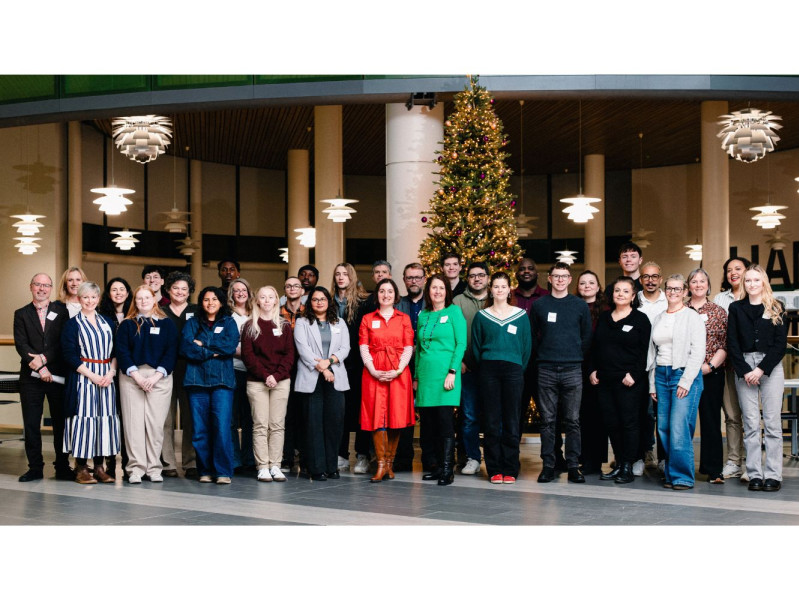
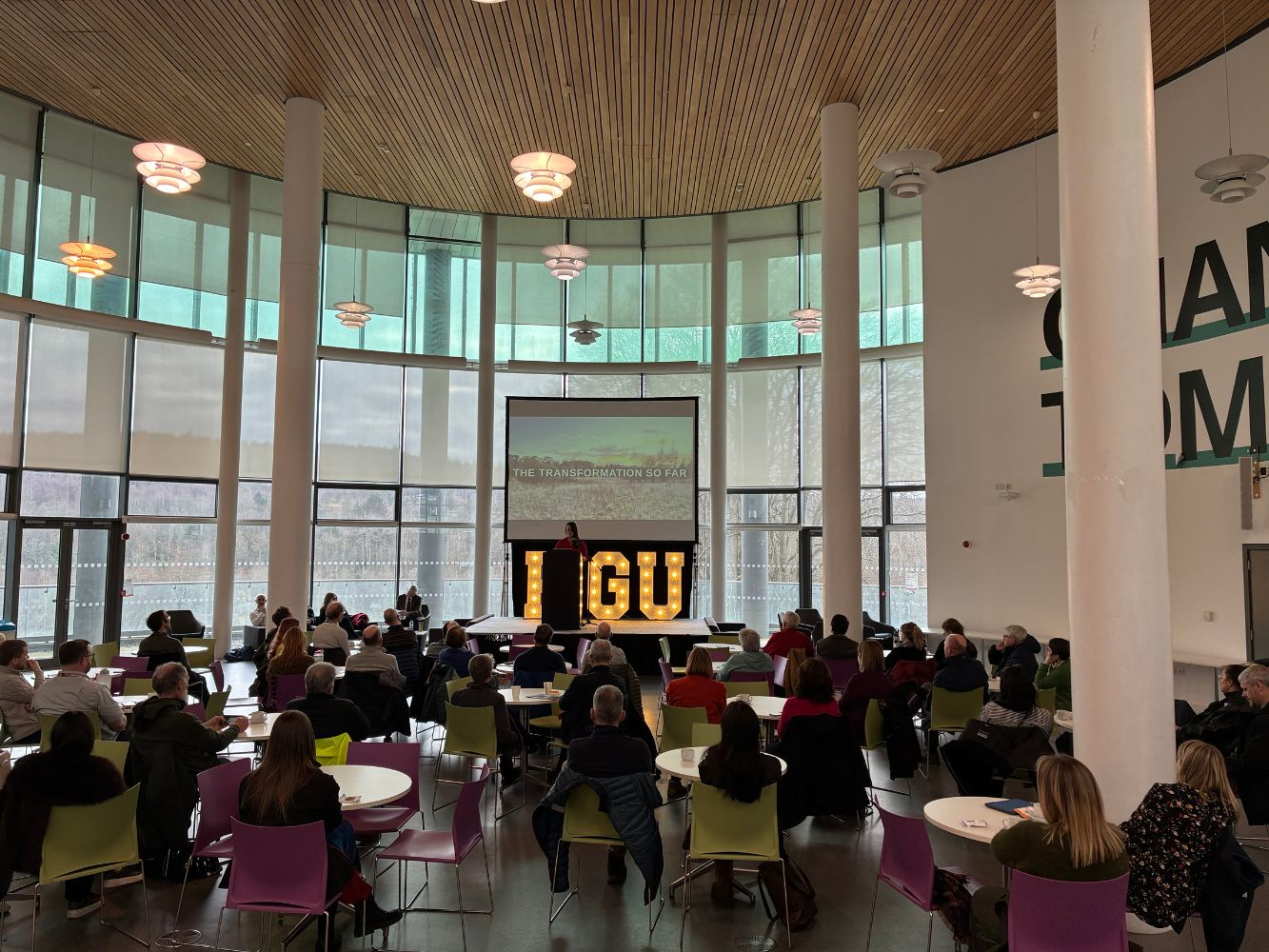
Sitting across the River Dee from campus, the 55-acre site gives RGU a unique opportunity to show what responsible land stewardship can look like. Recently, nearly 80 staff, students, and community members came along to two update sessions to hear how the landscape is changing and how wildlife is returning.
Key Highlights
- 99% of Japanese Knotweed eradicated.
- Dead trees disposed of or replanted.
- 15,000 tree tubes collected with nearly 1,500 given to SRUC and a local tree-planting project.
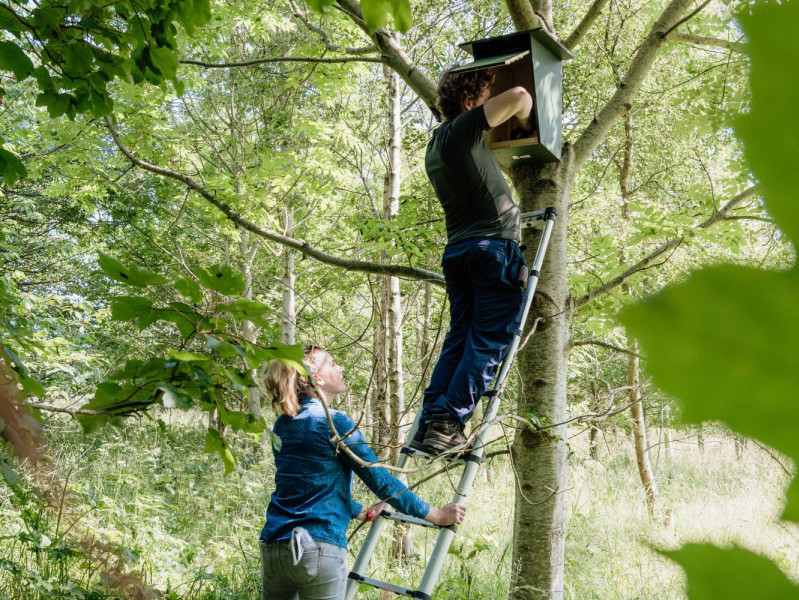
- Nest boxes installed for barn and tawny owls, starlings and mergansers.
- Sand martin bank installed next to the future wetland area.
- Preparations underway to welcome Exmoor ponies Dunstar and Scilla for conservation grazing.
The sessions gave an encouraging picture of just how much the site has changed in a short time. With invasive plants fully managed, thousands of tree tubes recovered, and new habitats created, the area is becoming a safe and welcoming environment for local wildlife.
One of the most exciting updates was the discovery of two otter holts, including a successfully raised pup. This is a strong sign that the ecosystem is recovering.
Your Questions Answered
Is there not a potential that the capacity for carbon storage is greater within the soil rather than above ground (trees)?
This is the case and was outlined in the original baseline report by the Habitat People. The ground to the west of the farm road is high in carbon content. Proposed works consider how we maintain this rich capacity. The area to the east of the farm road has a lower carbon content and we will look to develop this as the project progresses.
Could there be opportunities for volunteering sessions for evenings and weekends?
This can be considered and we will look to develop opportunities based on demand.
Does the work proposed increase the likelihood of flooding?
The works proposed consider the water levels of the site from the late 1800’s early 20th century. They will not impact any potential flood events.
Could the community see a copy of the baseline report from the Habitat People?
This is available at Waterside Farm | Our Nature Positive Campus | RGU.
Has RGU considered potential benefits of sustainable/renewable electricity on the site?
The potential opportunities have been considered. There is insufficient wind speed to merit any wind generation on site. Solar generation was considered but discounted due to the ecological impacts it would have on the site. We continue to review options for a run of river scheme, but flow rates are variable and make the economics of such a project difficult to justify.
Considering the wider business community, are there further opportunities for support from these areas?
RGU have been working with third parties for volunteering and support. We currently have received funding from one organisation to support the Waterside Farm project.
Are you considering any works to “The Island”?
Yes. The island has been surveyed and, subject to a review of works/funding required, this will form part of a future phase of the RGU Sustainability programme.
There is potential that the Himalayan Balsam may spread to the north side of the riverbank. Has RGU considered this aspect and how will they manage it?
This has been reviewed and works are currently ongoing to manage any Himalayan Balsam sites on the north side of the river. This also includes working with wider organisations up stream to try and eradicate Himalayan Balsom at the source such that the recurrence potential is minimised.
Would RGU consider working with the Nescan Hub as a joint initiative?
Yes. We appreciate the introduction and will seek to develop a wider initiative with the Nescan Hub.
The People Behind the Progress
There was a huge round of applause for the volunteers who took part in Waterside Wednesday at the end of each session. The recognition spoke volumes about the importance of volunteers for the project.
A video shown during the presentation illustrated just how far the site has come, particularly as natural growth has begun to flourish again.
Overall, the update made one thing clear: real, measurable biodiversity gains are happening, and the collective effort of volunteers, staff, students and community partners is driving that progress.