


RGU at the UArctic Congress 2026
Colleagues from Aberdeen Business School represented RGU at the UArctic Congress 2026, a major international gathering focused on collaboration and knowledge exchange across the Arctic.
Participation was supported by RGU Orkney which facilitates RGU’s strategic engagement across the North. This year, the event took place in Tórshavn, expertly hosted by the University of the Faroe Islands. The theme was Healthy Humans and Oceans in the Arctic, incorporating the Ocean Connectivity Conference within its programme.
The week of activities was structured around a range of topics, including Sustainable Economic Development and International Cooperation, Oceans, Climate Change in the Arctic, Biodiversity, and Indigenous Peoples and Northern Communities.
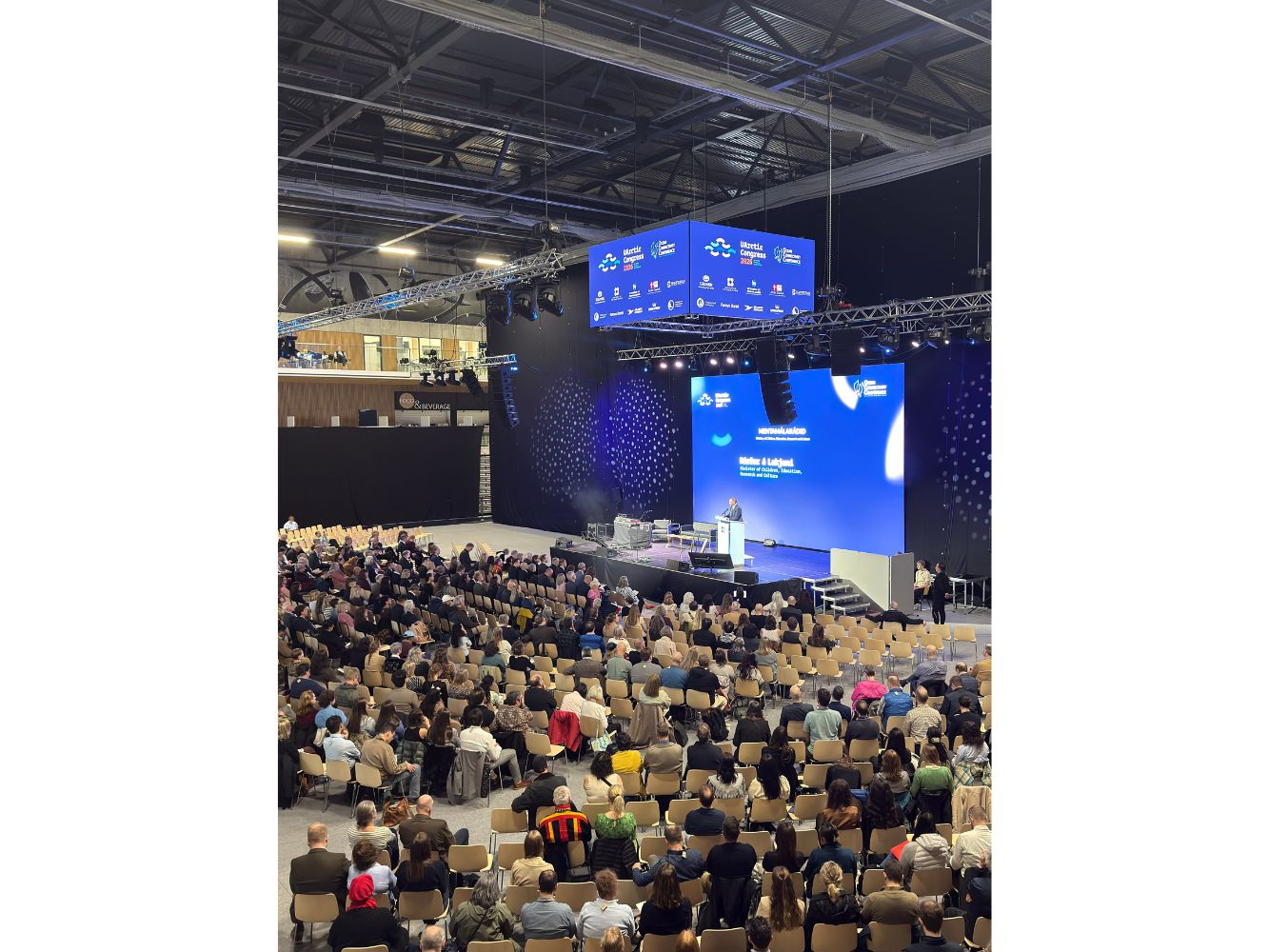
RGU's Contribution to the Congress
RGU’s contribution to the Arctic and the North Atlantic research and knowledge exchange was represented by myself and Dr Izzy Crawford from Aberdeen Business School, contributing to themes of Sustainable Economic Development and International Cooperation, and Indigenous Peoples and Northern Communities.
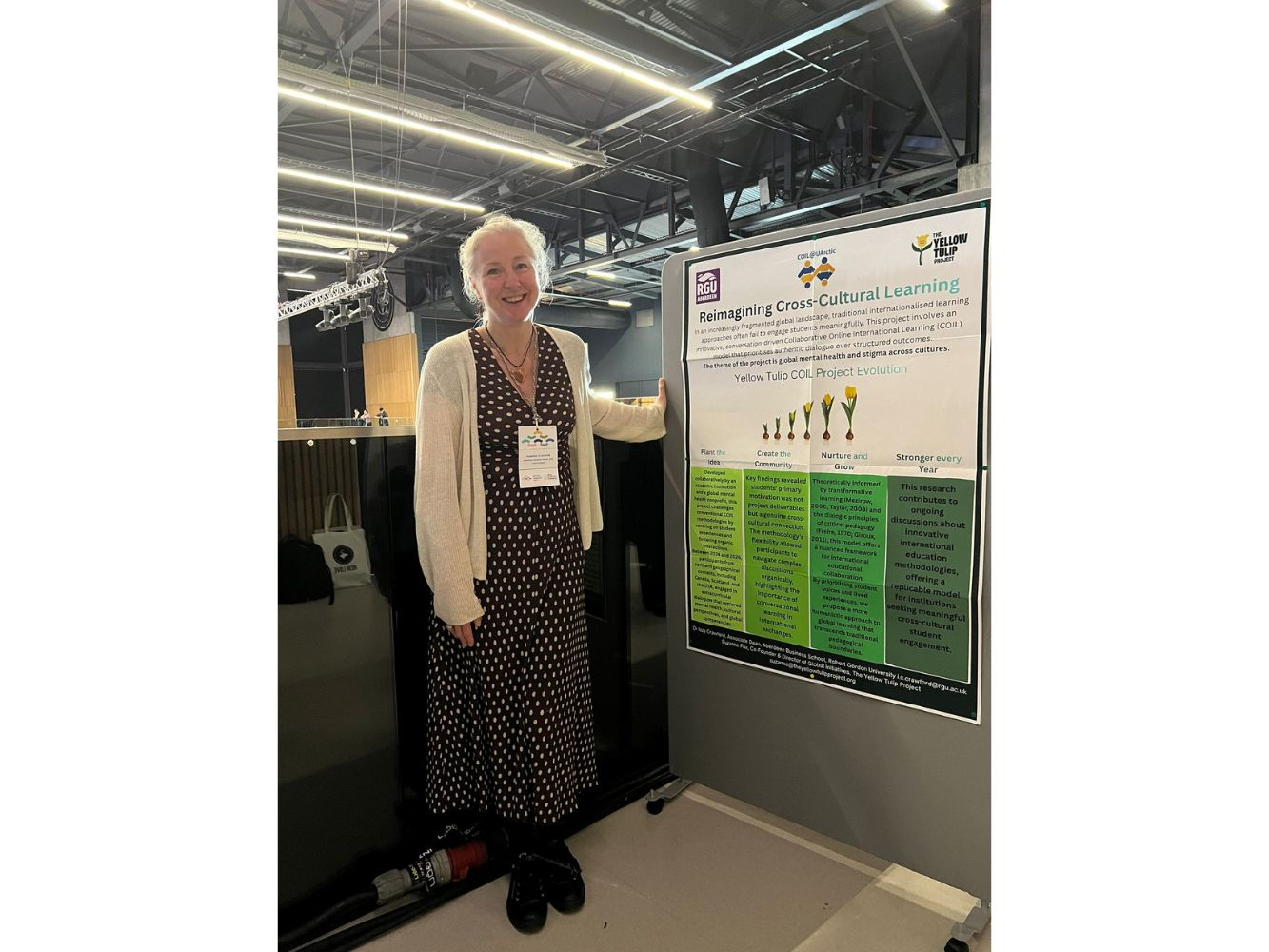
As a Lead of the COIL@UArctic Thematic Network, Dr Izzy Crawford participated in the Thematic Network Leads meeting and led a presentation and a poster display on Reimagining Cross-Cultural Learning: An Innovative COIL Approach to Global Student Dialogue, discussing RGU’s partnership in the Yellow Tulip Project.
COIL conversations continued throughout the week, including a workshop on how COIL and virtual exchange can be made more accessible and meaningful for students and communities across the Arctic.
Izzy also represented RGU at the UArctic Assembly at the end of the event, contributing her vote on behalf of RGU on addition of new UArctic members and establishment of the new Thematic Networks.
The Assembly resulted in more excellent news for our university. The new Thematic Network on Northern & Arctic Land Transport, led by Professor David Gray from Aberdeen Business School, was approved by a majority vote, adding to the already vast portfolio of RGU’s engagement with UArctic.
I further contributed to this portfolio of work by presenting and facilitating sessions on Northern and Artic tourism. In the session on Place-based Strategic Planning for Sustainable Tourism in the Arctic and the North Atlantic, colleagues and I presented results of the project of applying the PlaSE framework to three small coastal destinations in Iceland, Faroe Islands and Norway.
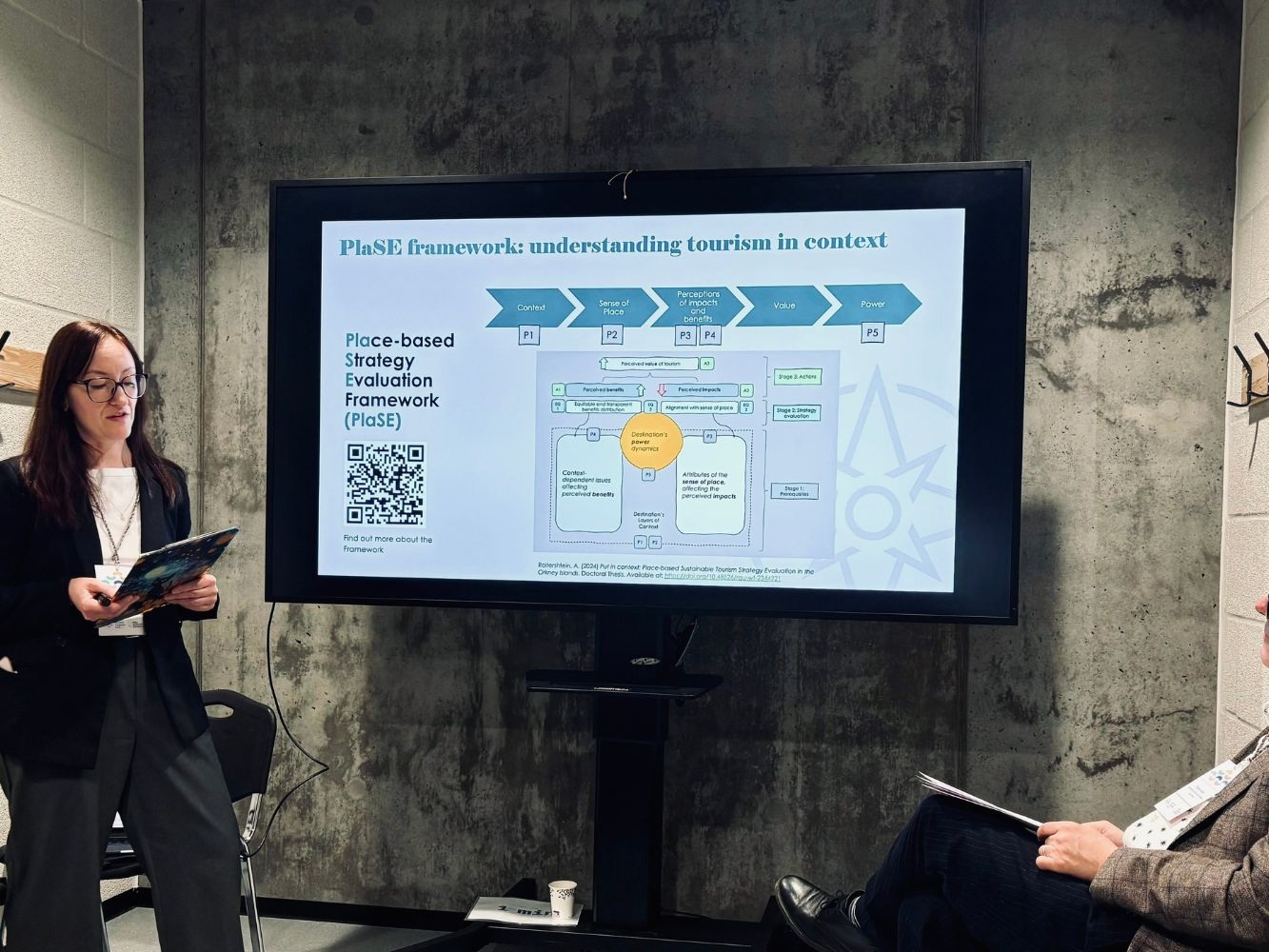
A highlight of my work at the Congress was the session on Sense of Place as a foundation for Value Driven Tourism Development in Small Rural and Coastal Communities. The session included presentations from Visit Faroe Islands, Molde University College, University of Eastern Finland, University of Southern Maine and the Institute for Northern Studies, University of the Highlands and Islands – strengthening ties across academia and industry for sustainable place-based tourism development in the region.
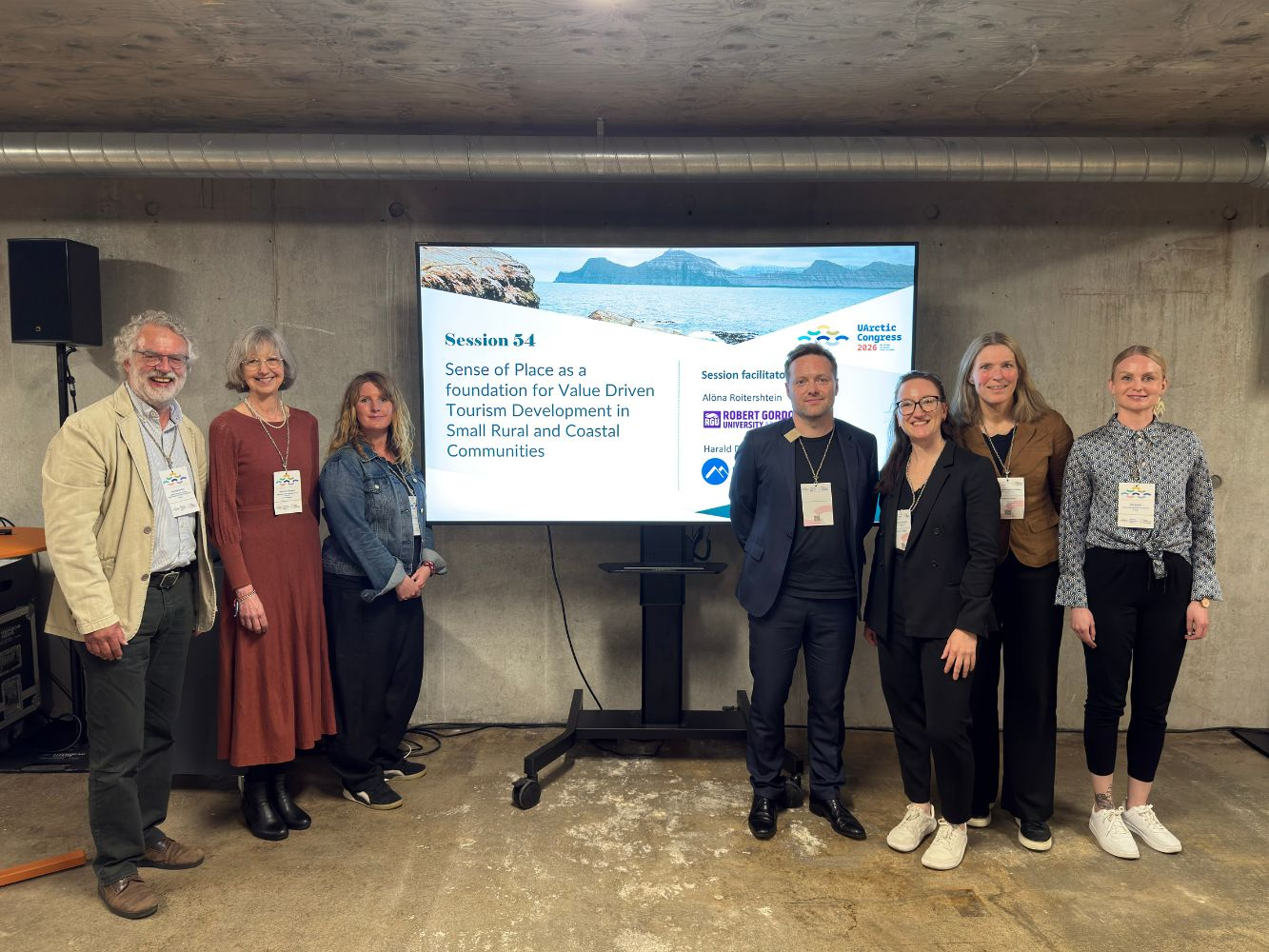
One of the most interesting aspects of the Congress was seeing how discussions around tourism connect to wider questions about place, community and value across the North. It was clear that these themes really need to be understood in their local context - something that aligns strongly with RGU’s focus on place‑based, interdisciplinary approaches to research and collaboration.
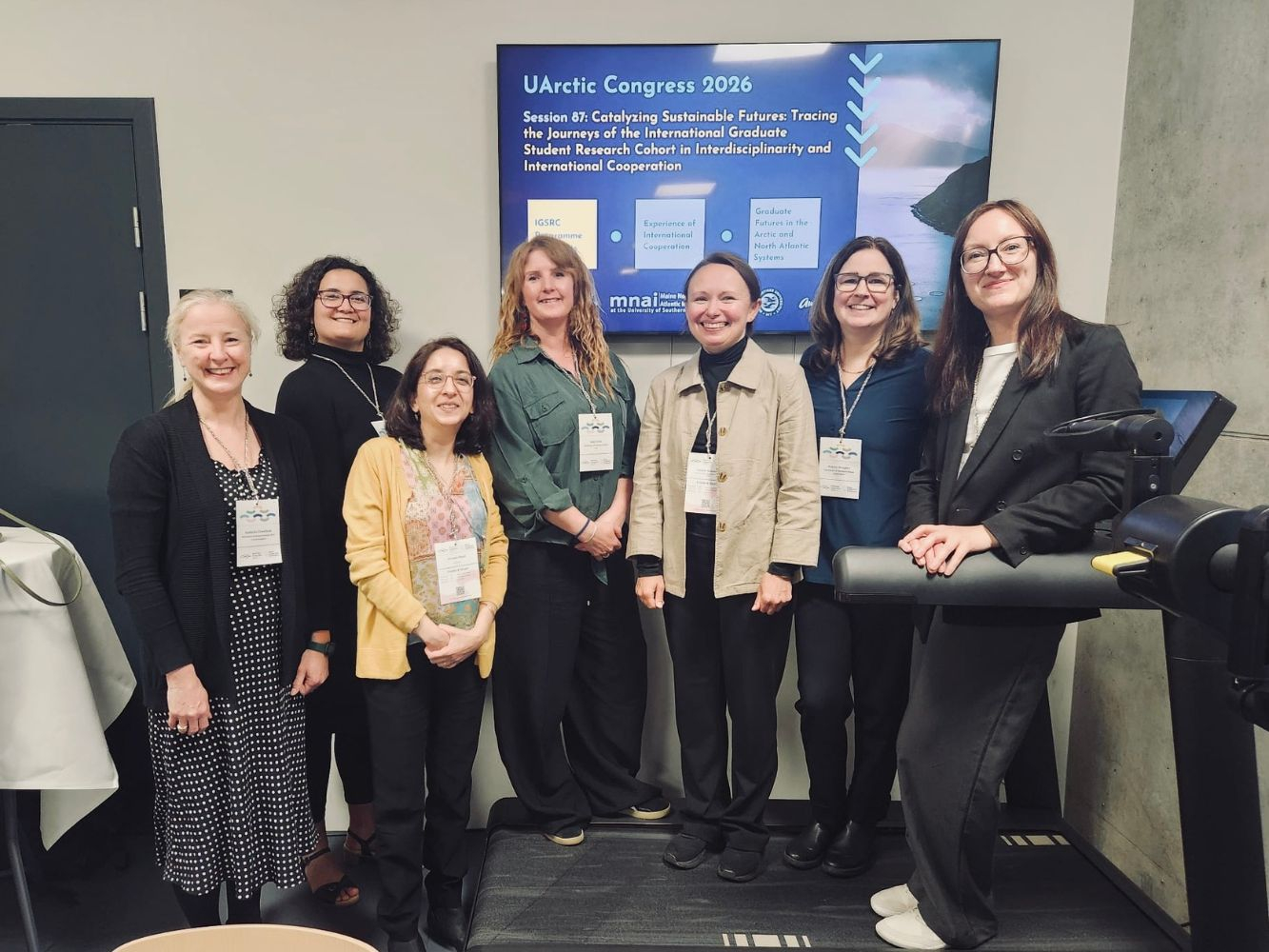
Both Izzy and I also contributed to the organisation and delivery of a session on Catalyzing Sustainable Futures: Tracing the Journeys of the International Graduate Student Research Cohort in Interdisciplinarity and International Cooperation. The session gathered the alumni and the faculty members of the International Graduate Student Research Cohort (IGSRC), facilitated by the Maine North Atlantic Institute. The alumni of the cohort discussed the impact of their participation in the programme on their personal and professional development. And yes, this session was held in the fitness room at the event venue!
Partnerships and Networks
Participation in the Congress strengthened existing collaborations and opened up new opportunities for joint research, teaching and knowledge exchange across UArctic member institutions. Several follow up activities are already taking shape, including collaborative outputs and contributions to future thematic initiatives.
As part of the Scottish Arctic Network, represented at RGU by Elsa Cox at RGU Orkney, RGU colleagues engaged with partners from across the network, reinforcing Scotland’s role within wider Arctic research and policy discussions.
Place and Context
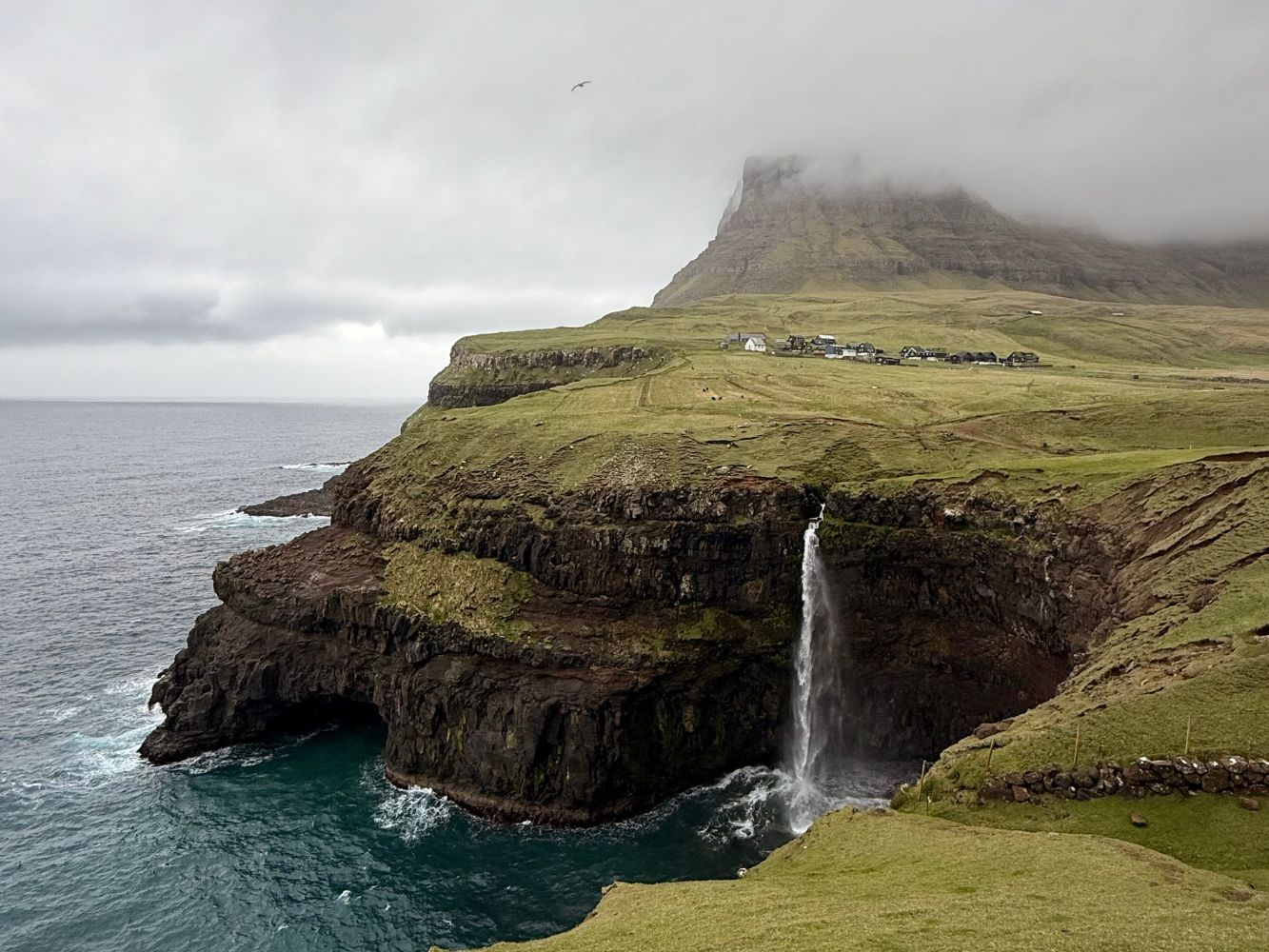
A special highlight of the Congress’ experience was the Faroese culture, the atmosphere and the fantastic, innovative and creative organisation of the event. That was the biggest international event on the Faroe Islands to date. Hosting close to 1400 attendees from 50 countries, the event was both a logistical challenge and an opportunity to showcase the islands in a brave and creative way.
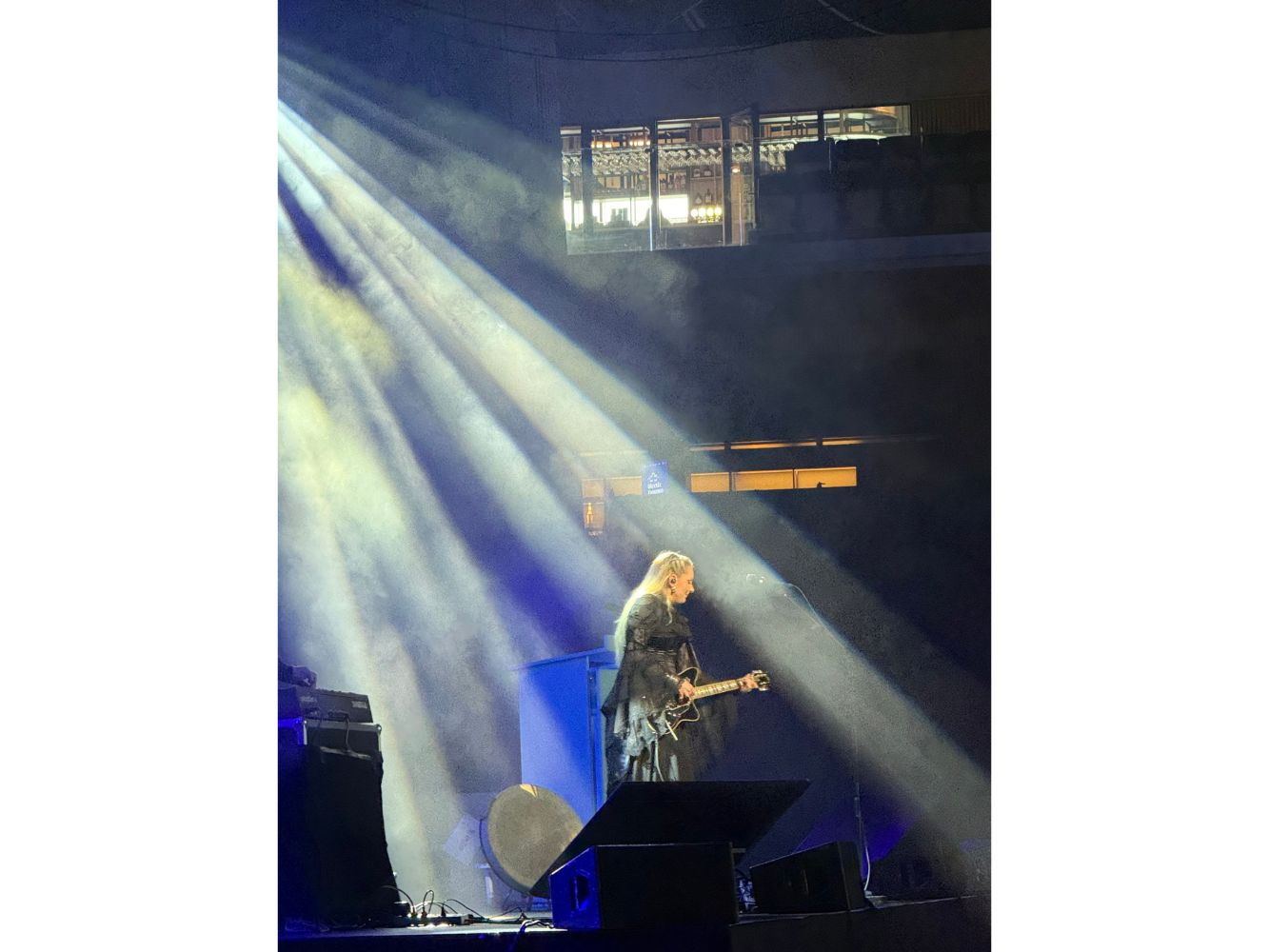
Apart from the thematic sessions and plenary discussions throughout the day, evenings included the best and the most diverse of the Faroese culture – from opera singing at the national football stadium and the famous Eivør, to the folk-metal band and traditional chain dancing to the sounds of the fallen snow.
The Congress was an excellent example of a place-based event organisation, supporting local businesses, communities, strengthening place identity and showcasing the uniqueness and creativity of the Faroese people.
Strategic Importance and Future Outlook
Participation in the UArctic Congress 2026 highlights the strategic value of RGU’s engagement within this international network. Building on strong existing foundations, there is clear potential to strengthen a more coordinated, university wide approach that connects research, teaching and knowledge exchange across Northern and Arctic themes.
“Through closer alignment of Thematic Network activity, research and partnerships across UArctic and the Scottish Arctic Network, RGU is well placed to expand its role in areas such as sustainable northern communities, rural and island futures, and cultural and creative economies. This also creates a strong platform for future collaborative research and funding opportunities.” - Elsa Cox, ScAN Steering Group and RGU UArctic Representative, RGU Orkney
Continued engagement with UArctic will play a key role in enhancing RGU’s global profile, strengthening interdisciplinary collaboration, and advancing place based research and innovation across the North.
Written by Dr Alöna Roitershtein

