
Trio of net zero research projects secure vital funding
Friday 07 August 2026

Three pioneering RGU research projects aimed at accelerating Scotland's transition to a net zero future have received support from the Scotland Beyond Net Zero (SBNZ) Seed Fund.
The funded initiatives will explore geothermal energy solutions, marine mammal-friendly tidal turbine technology and greener approaches to funeral practices. RGU researchers will collaborate with experts from the University of Aberdeen and the University of St Andrews to develop practical solutions to key environmental challenges facing Scotland and beyond.
The projects are:
- Warming Up Aberdeen: integrating optimised subsurface data and drilling for geothermal heating provision
- Seal–Turbine Interaction and Behaviour-Informed Tidal Energy Design Project
- Towards sustainable funeral provision: establishing a network and scoping a research agenda to integrate sustainable environmental considerations into the pursuit of good funerals for all

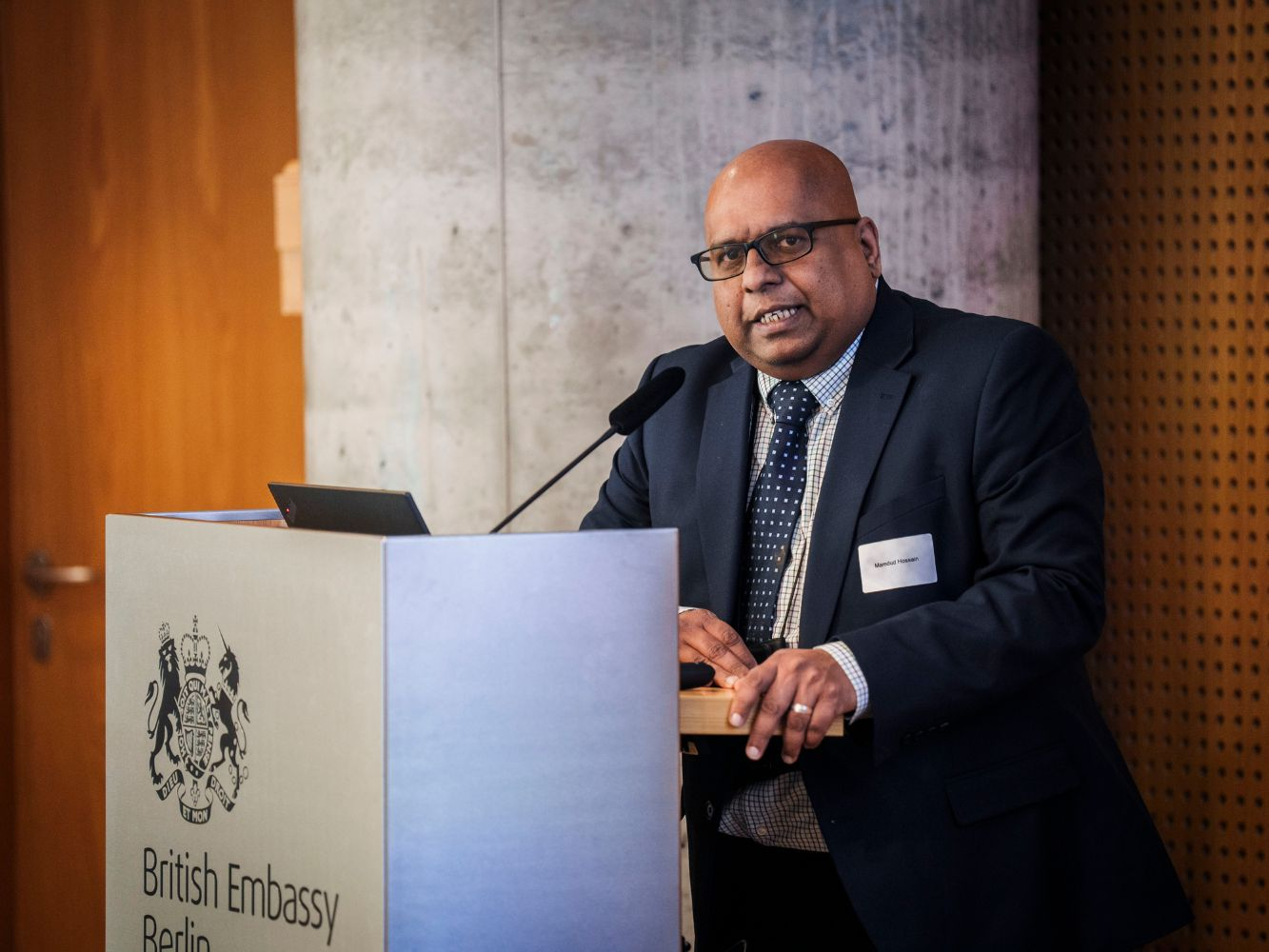
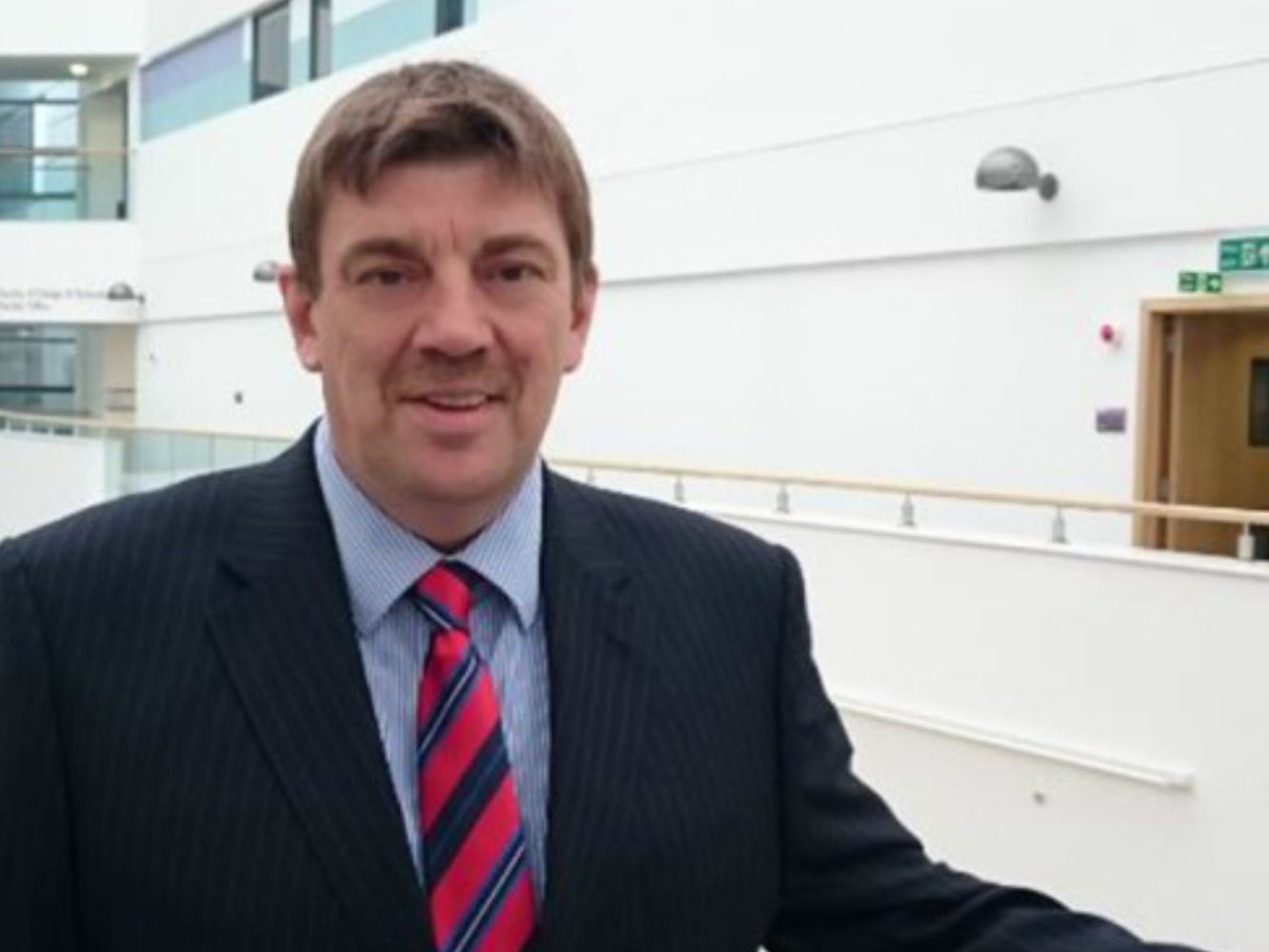
Professor Nick Fyfe, Vice-Principal Research and Regional Engagement for RGU, said: “These are ground-breaking research projects that will help shape the landscape around sustainability in Scotland. It is fantastic that RGU is playing a key role across a wide range of research which has the potential to make a positive impact on wider society.
“We welcome the funding awards from Scotland Beyond Net Zero, which allow our dedicated researchers to make a real impact in a collaborative environment with colleagues from other institutions.”
Professor Phil Hassard and colleagues from RGU and Professor Claire Bond from the University of Aberdeen are leading the Warming Up Aberdeen project, which aims to unlock the city's geothermal energy potential by investigating how heat can be extracted from deep granite formations beneath the region. The research will also address some of the biggest barriers to geothermal development by exploring ways to reduce drilling costs, improve understanding of underground geology and identify the most promising locations for future projects.
Professor Mamdud Hossain from RGU’s School of Computing, Engineering and Technology is teaming up with Dr Gordon Hastie from the University of St Andrews to create a design framework for tidal turbines that considers interactions with seals and other marine mammals. Although tidal turbines are seen as environmentally friendly, their impact on aquatic life is not well understood. By integrating marine biology with turbine hydrodynamics, the project seeks to understand how seals react to turbine flows, such as vortices and turbulence.
As demand for more sustainable end-of-life choices continues to grow, Dr Racheal Adedokun of RGU and Professor Vikki Entwistle from the University of Aberdeen will bring together stakeholders from across the funeral sector to better understand and reduce the environmental impact of funeral practices. The project will establish a network of experts and interested groups across Scotland and beyond, helping to shape future research in an area where evidence remains limited and concerns over greenwashing persist.
These projects are among 14 which have secured funding from SBNZ and demonstrate the value of collaboration in tackling complex challenges.