
Entrepreneurial Talent Takes Flight at RGU Accelerator Finale
Friday 05 June 2026

Some of the region’s most promising entrepreneurial talent stepped into the spotlight last night as Robert Gordon University (RGU) celebrated the achievements of its latest cohort of participants in the 2026 Impact North Startup Accelerator.
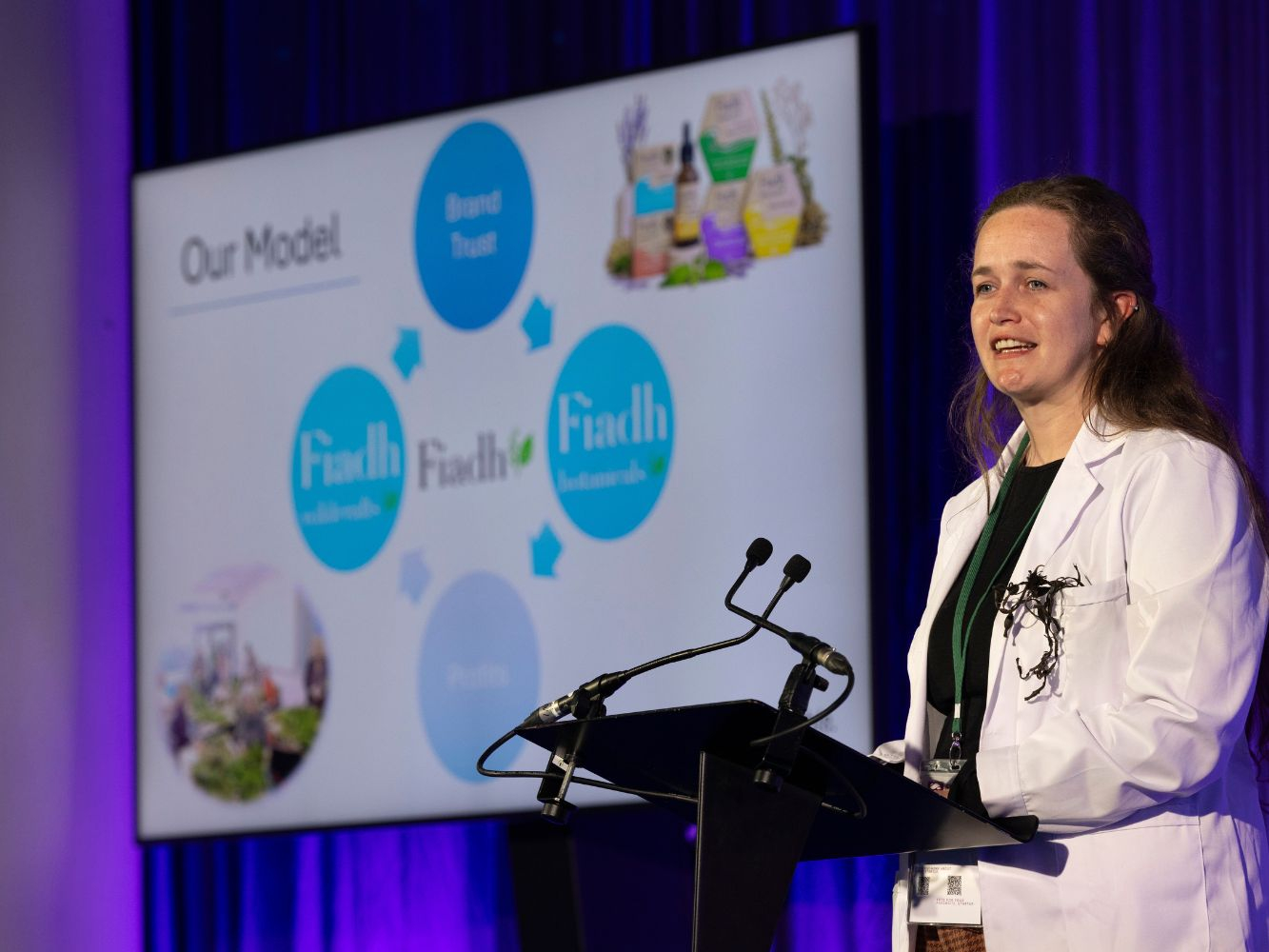
Now in its eighth year, RGU’s flagship entrepreneurship programme reached its grand finale in front of a packed audience of more than 200 attendees. Founders took centre stage to deliver high-energy, Dragons’ Den-style pitches, competing for a share of £25,000 in funding.
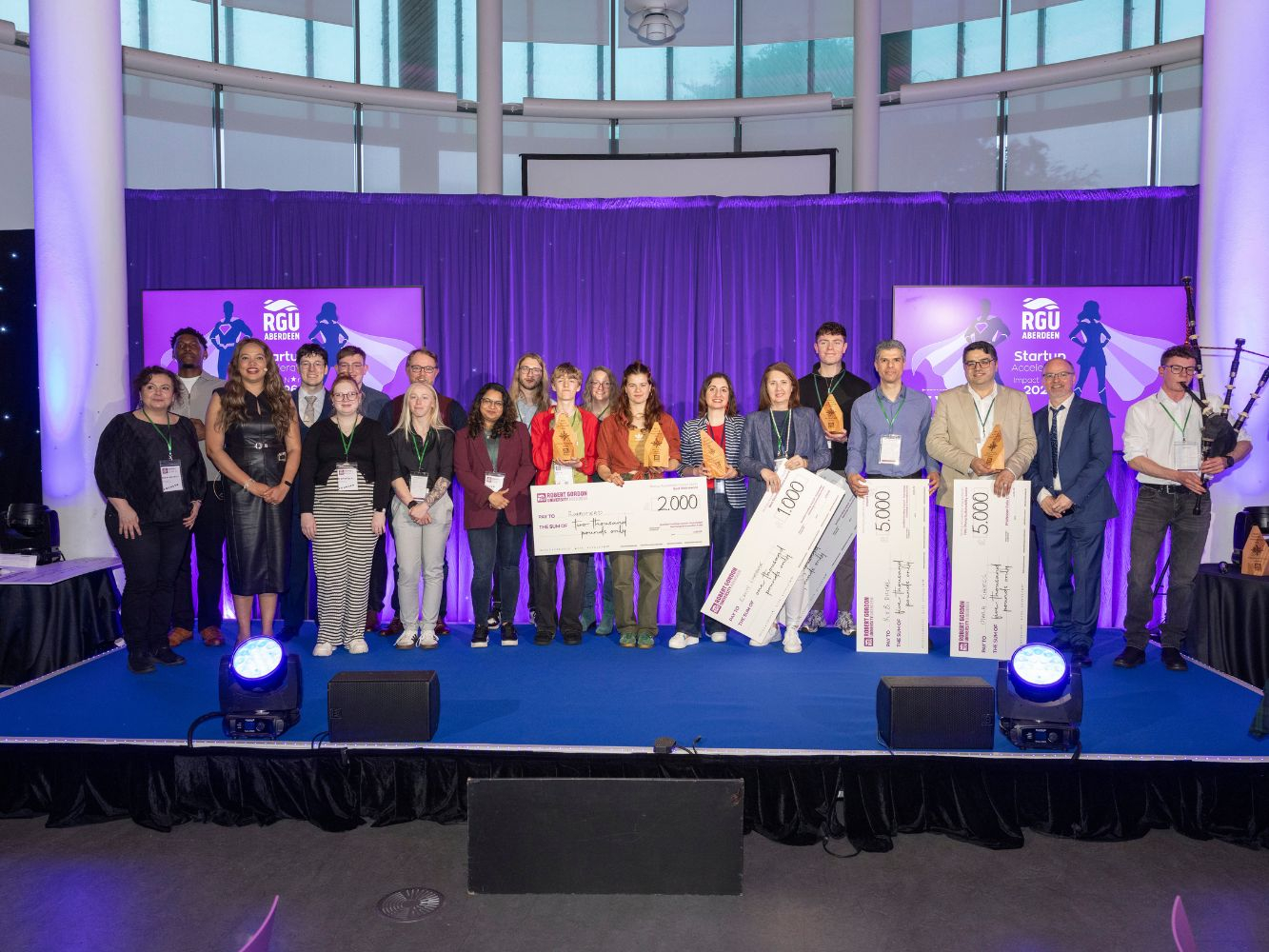
Impact North brought together aspiring entrepreneurs from across Aberdeen and the north of Scotland, with participants joining from Shetland, Orkney and the Western Isles for the first time. Following a fierce display of innovation, creativity and determination, eight awards were presented to the entrepreneurs who most impressed the judging panel and live audience.
Aisha Kasim, Start-up Manager, said: “The RGU Start-up Accelerator programme has been really exciting this year because for the first time we are working with islands-based start-ups alongside the Aberdeen start-ups in a tandem cohort set-up. Seeing the cross-pollination of ideas - seeing the collaboration with the place-based aspect as well as the innovative aspect - has been really exciting.”
Leading entrepreneur gives advice
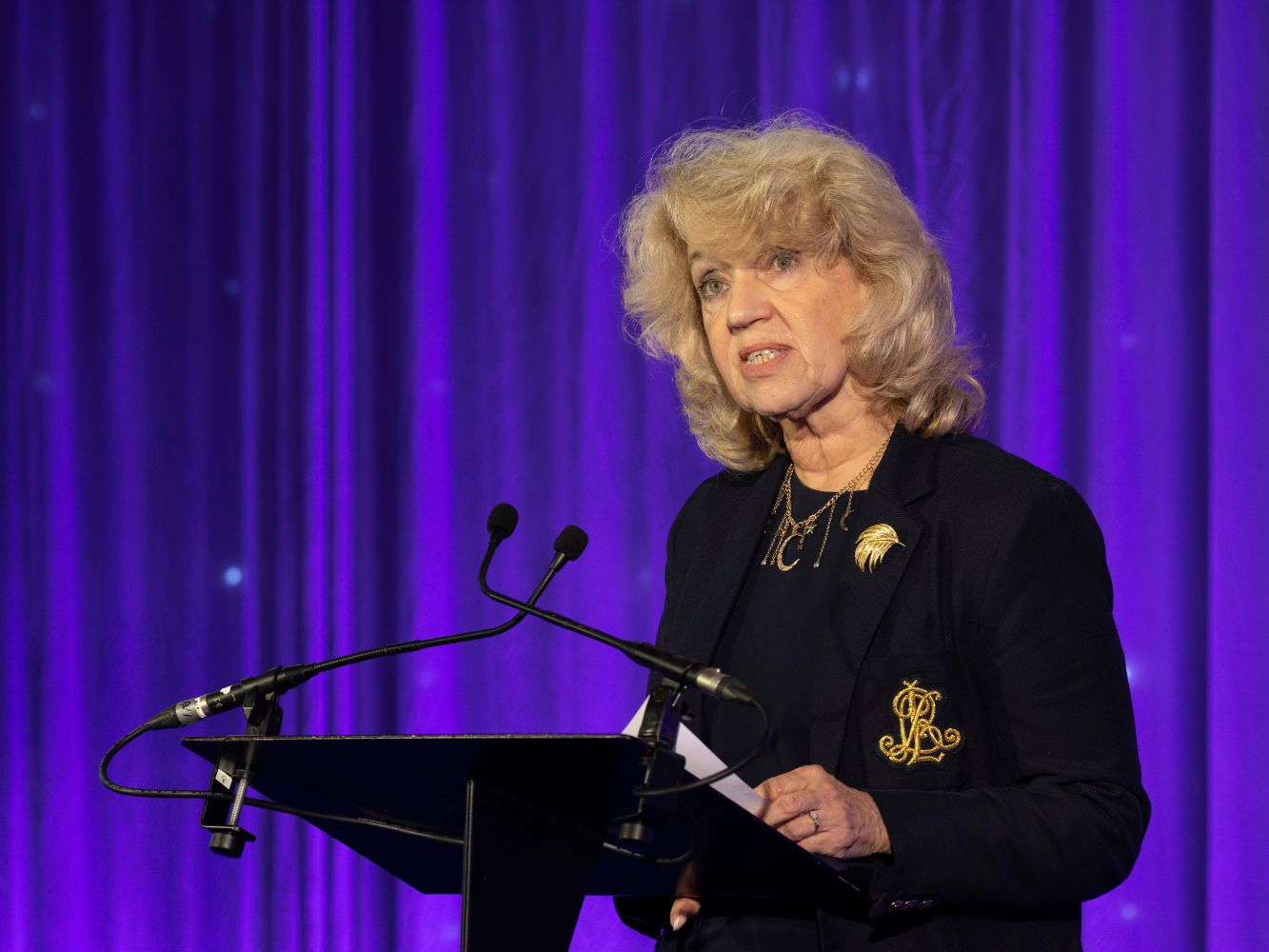
Dr Jeanette Forbes OBE shared her advice for anyone thinking about taking their first steps into entrepreneurship:
“You have to be committed – that’s really important. The other important thing is the planning element. I was always told, when I started PCL Group, failing to plan is planning to fail. So, make sure that you have a really good business plan - that is the best piece advice I can give people heading into entrepreneurship.
“Resilience and experimentation are also really important. When you have to test your resilience – that’s when you find out what your strengths and weaknesses are within your own personality. There have been many times when I’ve gone down the wrong route and had to double back because I thought something was a really great idea; tested it in the market; and then realised that it wasn’t going to fly. So be prepared for that and don’t be too disheartened by it. Failure is good. Remain positive – you learn so much by failing.
“The Start-up Accelerator programme really matters for nurturing the next generation of entrepreneurs. Where else can you test you ideas, where else do you have that forum, where else do you have that support network? I only with I was going into business now- seeing all the support mechanisms the Accelerator has put in place for entrepreneurs coming through. There is so much, whereas it was a lonely place before. And the higher up the tree you go – the lonelier it gets. So it’s really good when you find these support networks and they just embrace you. Don’t feel afraid to go to someone with a ‘silly question’ – because those silly questions have been asked before. You have to be prepared to ask, learn, and test the water.”
Honorary graduate on international view
Arsalan Ijaz Anwer, techpreneur and honorary graduate, explained how important the RGU Start-up Accelerator is in terms of developing globally competitive founders.
He said: “Because RGU hosts a very geographically diverse population of students and faculty programmes like the RGU Start-up Accelerator play a significant role in helping entrepreneurs and founders understand the nuances of being able to operate across different economies in different parts of the world.
“In my own experience I’ve seen that people who’ve had a lot of success locally have to face a lot of surprises and unknown challenges the moment they move out of their own country. Platforms like the RGU Strat-up Accelerator help founders to expand their outreach and awareness across multiple countries. It helps to prepare them for the multiple challenges they might face over multiple political and economic geographies.
“The RGU Start-up Accelerator had been running for many years and I hope it will continue for many more.”
RGU a hotbed for entrepreneurs
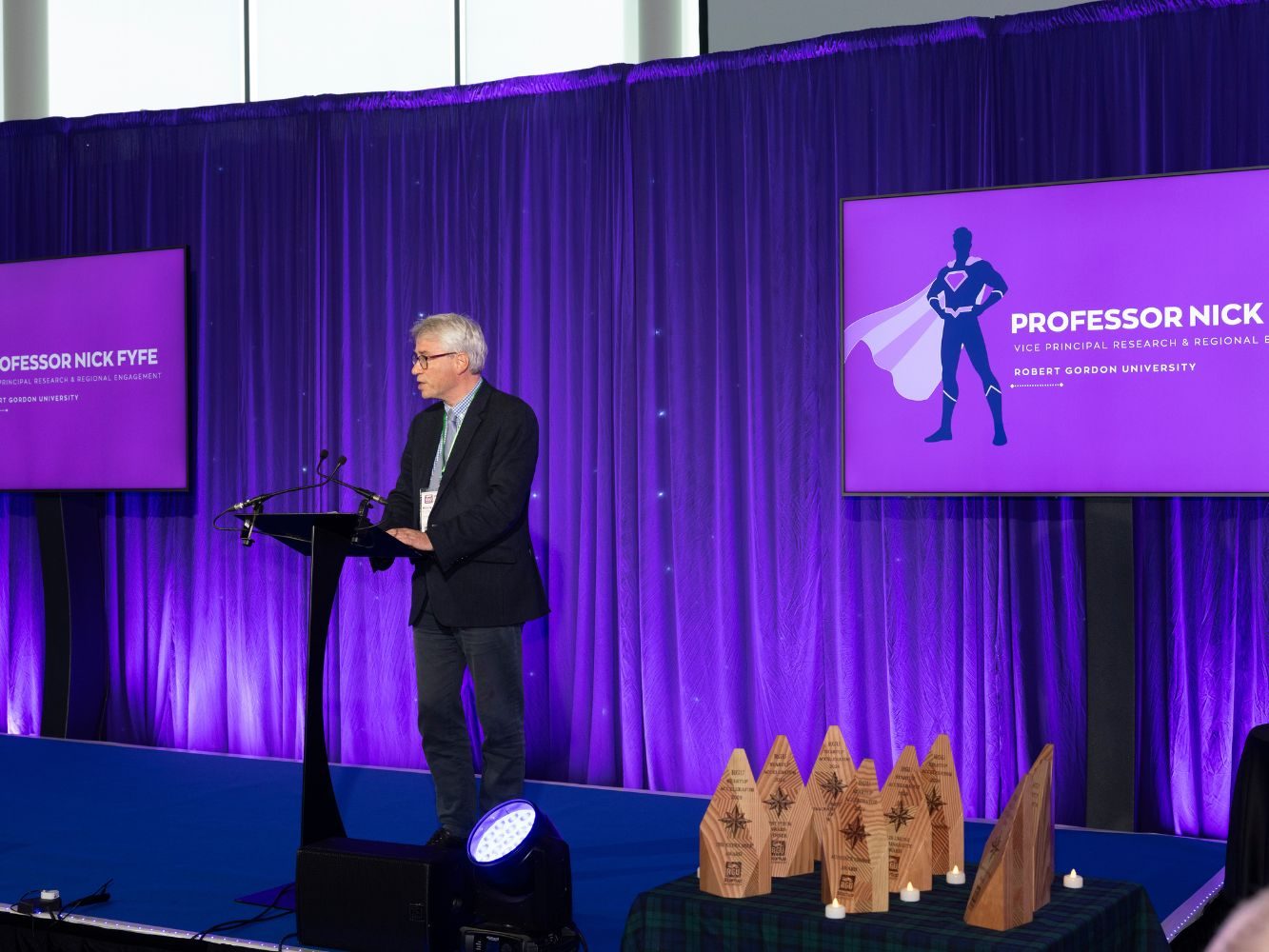
Vice-Principal Research and Regional Engagement, Professor Nick Fyfe, explained what makes the RGU research environment special. He said: “Universities are often thought of as places that are just about generating new knowledge. But they are also places where ideas are translated into solutions, into businesses, and into social impact. The Start-up Accelerator plays an incredibly important role in that journey. It creates opportunities for people to test ideas, to build networks, to develop confidence, and create ventures that can make a real difference in the world.
“The showcase brings together founders tackling challenges across industries and communities. What unites them is the willingness to take an idea and actually do something with it. That spirit of innovation and action is something we’re really proud of at RGU. We believe in creating opportunities and ensuring that knowledge, research and innovation deliver real world impact. The Start-up Accelerator embodies that commitment. It helps talented individuals to develop the skills, confidence and networks needed to turn ideas into sustainable ventures.
“This year RGU was delighted to be recognised as Higher Education Institution of the Year in the Herald Awards. The Start-up Accelerator Showcase demonstrates exactly why entrepreneurship, innovation and community impact are such an important part of our story.”
Colin Hunter, Chair of the RGU Board of Governors, said: “The presentations were absolutely superb and I enjoyed them all. I was struck by the diverse range of projects – it was phenomenal. I’ve also been impressed by the creativity, resilience, ambition, enthusiasm and impact. We’re very proud, at RGU, of the entrepreneurship and innovation drive that’s part of our DNA. The Start-up Accelerator is a great example of what RGU contributes to the local economy and to real world impact.”
The Showcase celebrated the theme of Heroes: Closer Than You Think, highlighting the individuals, mentors, academics, ecosystem partners and supporters who help entrepreneurs turn ideas into reality. The theme also recognised the courage and determination shown by the 2026 Impact North cohort throughout their entrepreneurial journeys, particularly the programme’s first-ever island participants.
The evening began with welcome addresses from Dr Jeanette Forbes OBE and Paul Cheek before participants delivered their pitches to the audience and judging panel. Guests also heard from Accelerator alumnus Guy Phillips, founder of Highland Heritage Woodworks, who reflected on his entrepreneurial journey since completing the programme.
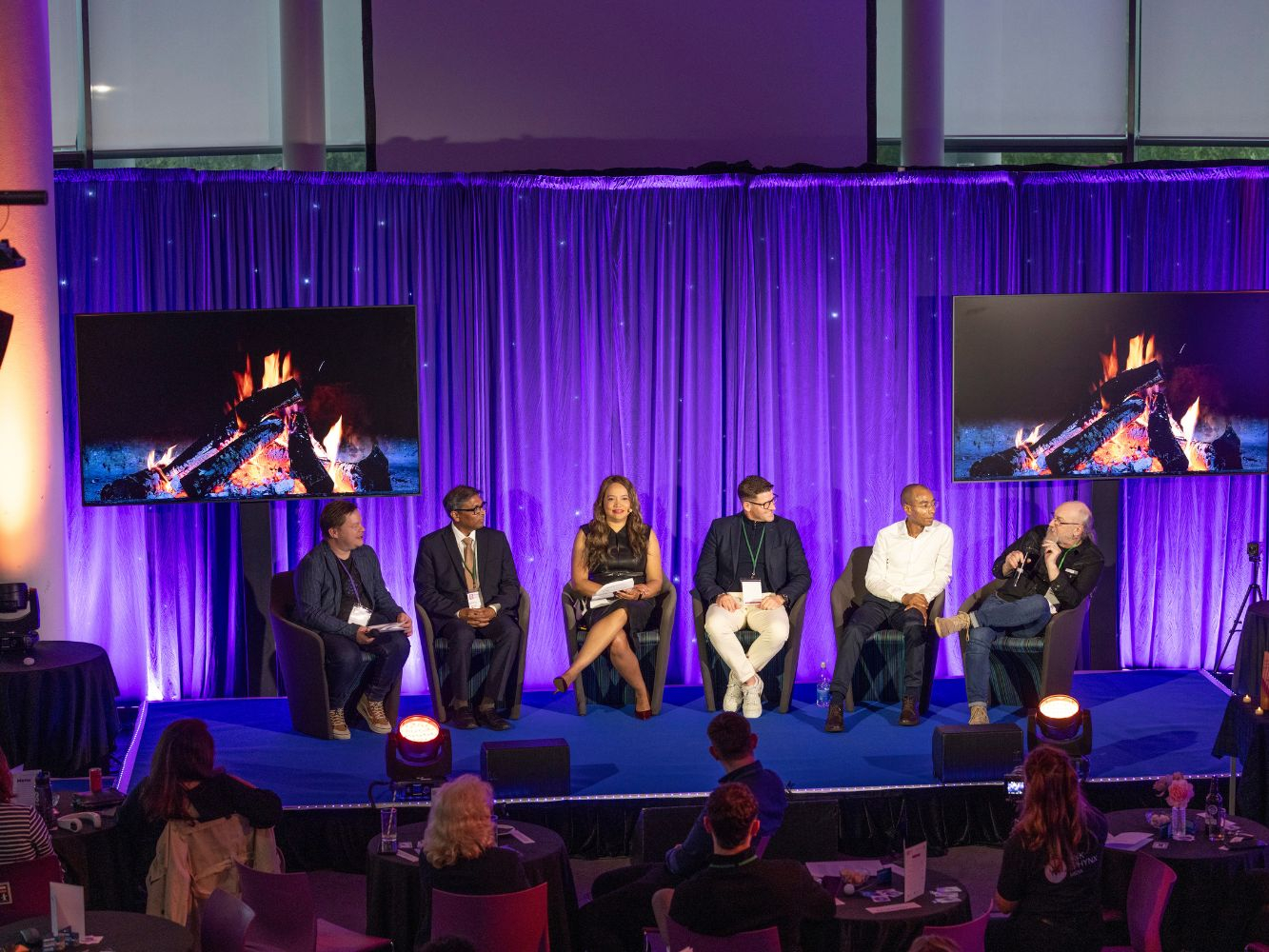
Members of the RGU community later took part in a Spotlight on Innovation panel discussion exploring the commercialisation of deep technology, before the evening concluded with the presentation of awards and closing remarks from Dr Colin Hunter, Chair of the Board of Governors.
The event was also livestreamed, enabling supporters, friends, family members and members of the wider business community to join the celebrations remotely.
Full list of awards and winners
- Supporter Award – Judith Stephen, Transformational Coach
- Extra Mile Award – Gregor Robb, Elevare
- Best Showcase Stand Award – Equity Lighthouse
- Felix Chung Sustainability Award – Mara Kinetics
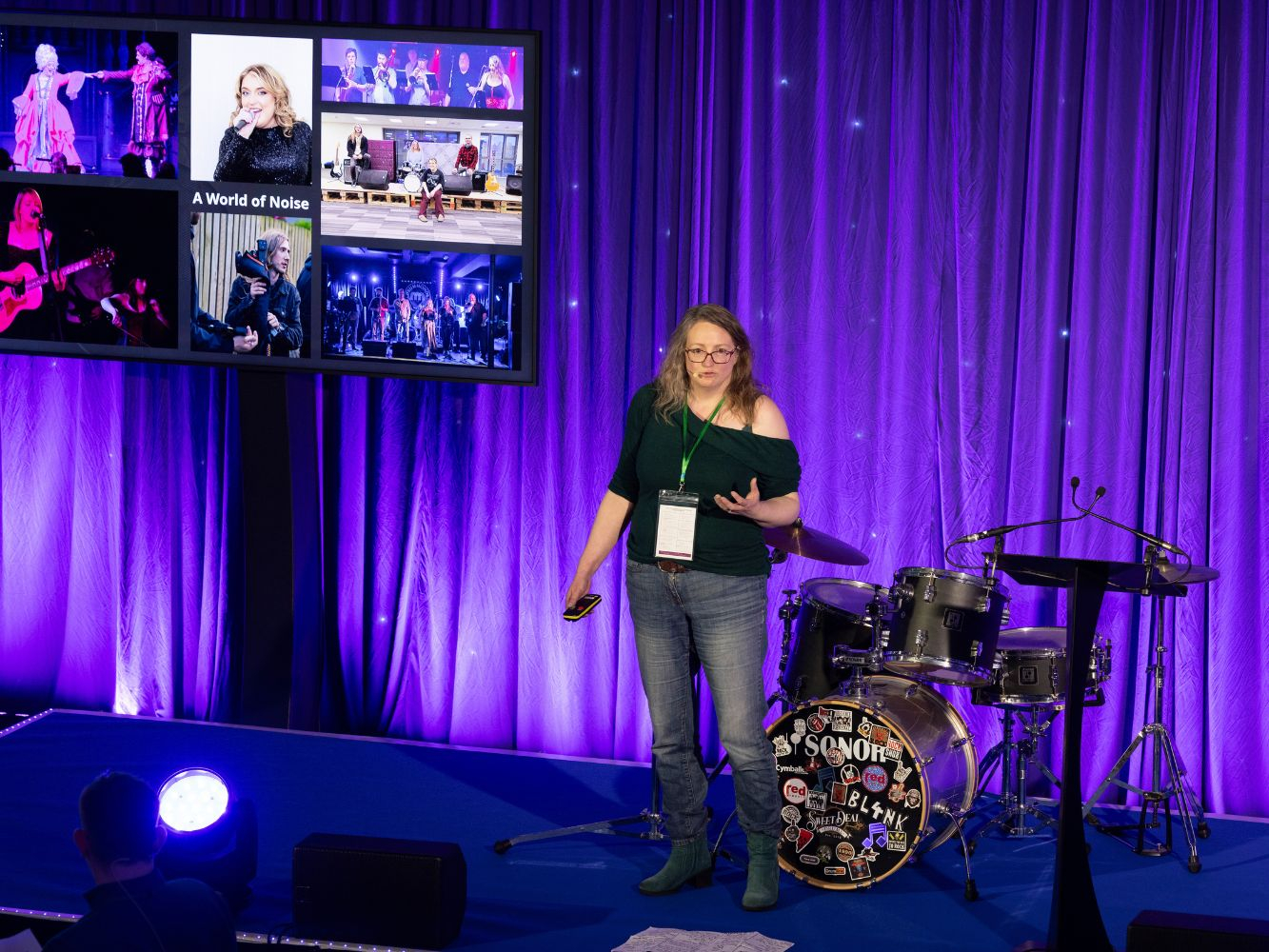
- Creative and Culture Award – Space for Sound
- Innovation Award – Chargytech
- Impact Award – R&B Digital Services
- Best Pitch – Roamstead
- Audience Choice Award – ChargyTech
The Aberdeen cohort
- The Tactical Data Company - Tim Clarke and Surya Ramesh. Analyses organisational networks using privacy-first data to reveal hidden connections and improve performance, inclusion, and retention.
- Murray McNeish Energy Optimisation Solutions - Murray McNeish. Provides affordable energy audits for hospitality businesses to reduce consumption, cut costs, and improve sustainability.
- Oceanfly VR - Julie Youngson and Mark Williams. VR training platform preparing drone operators for hazardous offshore environments through immersive, realistic simulations.
- Roamstead - Sarah Wyatt. Portable rooftop greenhouse system enabling users to grow food sustainably while on the move.
- ELEVARE - Gregor Robb. Produces all-natural, customised protein drinks tailored to individual nutrition and fitness needs.
- Space for Sound - Jo-Anne Tait, Connor Brown, Rory Sinclair, Bekkah Davidson. Community initiative creating opportunities to connect and learn through music and audio experiences.
- ChargyTech - Nathan Ikani. Clip-on battery pack for PS5 controllers enabling simultaneous play and charging without cables or interruptions.
- AnchorPath - Katelyn PowerDigital platform supporting care-experienced young people through improved c. ommunication, guidance, and transition into independence.
- Equity Lighthouse - Leila Neshat-Mokadem and Clare Depasquale. Provides training and research to promote inclusion, equity, and reduced inequalities in education and health.
- R&B Digital Services - Adrian Rendon-Nava and Angel Barroyeta-Nunez. Delivers digital twin solutions helping manufacturers optimise operations through data-driven engineering insights.
- Mara Kinetics - Hossein Zanganeh. Develops marine energy systems using flow-induced vibrations for scalable, efficient ocean power generation.
- ProjChain - Rita-Michel Greiss. Digital platform enhancing transparency and trust in net-zero project delivery and management.
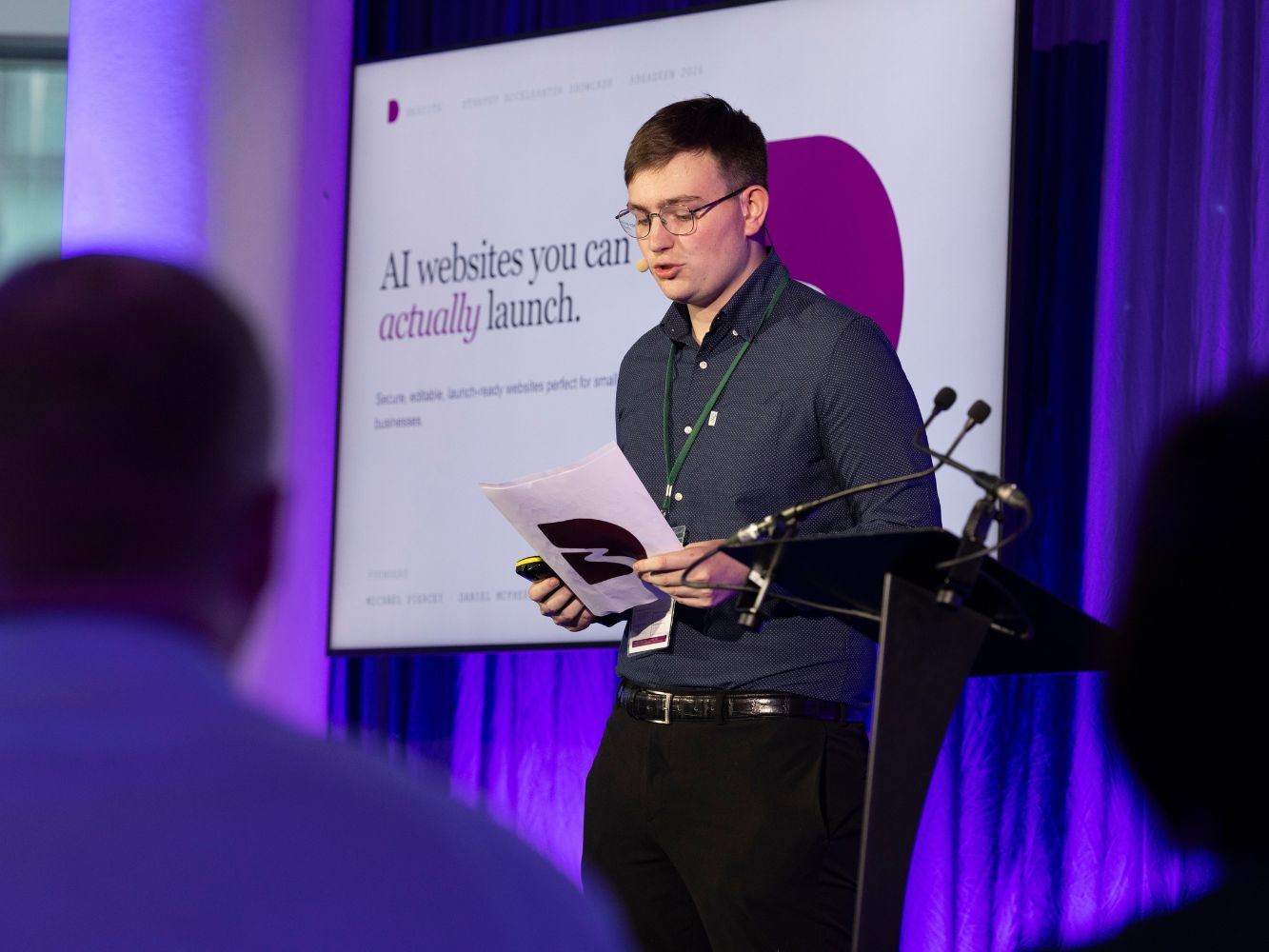
- Deecite AI - Daniel McPherson and Michael Piercey. AI platform that generates full-stack software from user ideas, enabling rapid application development.
All images credit to Ray Smith.